
Food News
The Ultimate Dumpling Tour of the San Gabriel Valley
The San Gabriel Valley is widely recognized as one of the best Chinese food destinations outside of Asia, and dumplings are among its most celebrated offerings. This sprawling suburban region east of Los Angeles is home to immigrants from every corner of China, each bringing their own regional dumpling traditions. From the soup dumplings of…

DigiSavvy
Description goes here

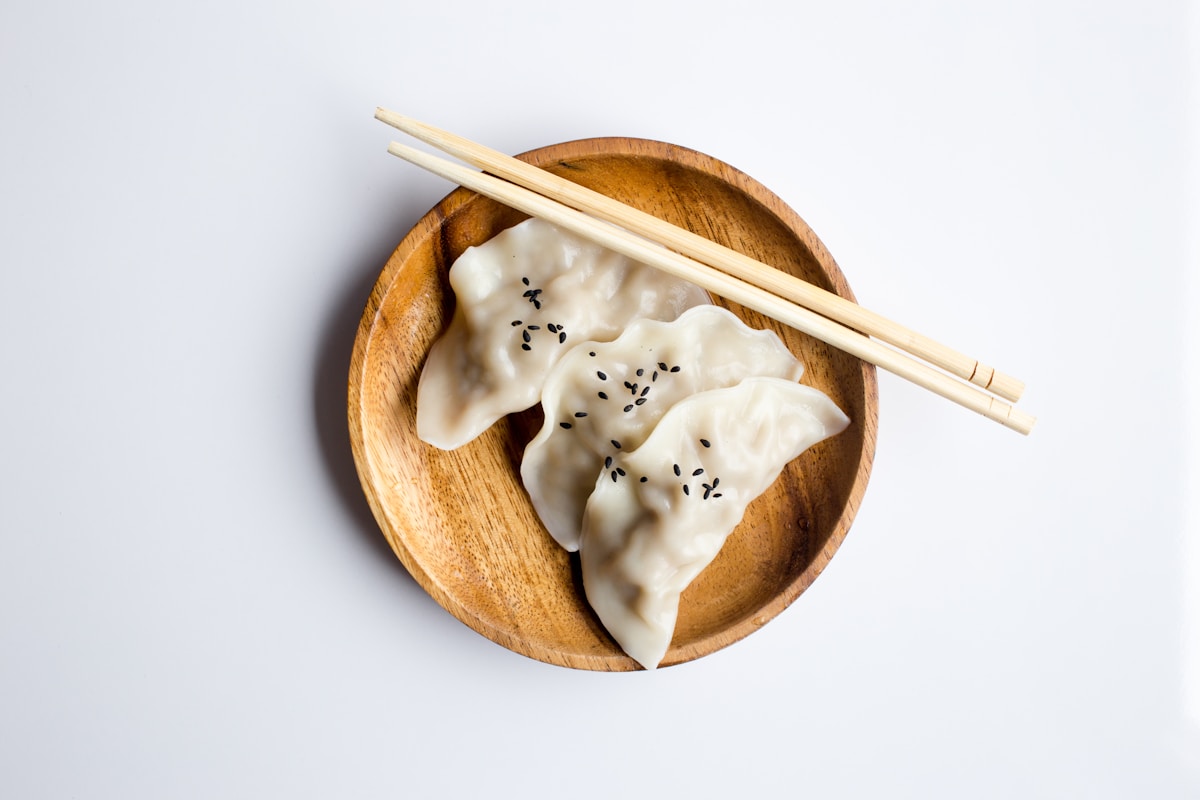
The San Gabriel Valley is widely recognized as one of the best Chinese food destinations outside of Asia, and dumplings are among its most celebrated offerings. This sprawling suburban region east of Los Angeles is home to immigrants from every corner of China, each bringing their own regional dumpling traditions. From the soup dumplings of Shanghai to the lamb-filled crescents of Xi’an to the crystal-skinned har gow of Cantonese dim sum, the SGV offers a dumpling education like nowhere else in America.
A Quick Geography of SGV Dumplings
To understand the dumpling landscape of the San Gabriel Valley, you need to understand its demographics. The cities of Monterey Park, Alhambra, and San Gabriel have large Cantonese and Vietnamese Chinese populations, reflected in their dim sum houses and rice roll shops. Rowland Heights and Hacienda Heights lean more toward Taiwanese cuisine. Temple City and Arcadia mix Northern Chinese specialties with Cantonese classics. Each city has its own character and its own dumpling specialties worth exploring.
This diversity means that a thorough dumpling tour of the SGV requires strategic planning. You can’t see it all in one day—or even one week. The best approach is to focus on specific styles or specific neighborhoods, building your dumpling knowledge incrementally. Each return visit reveals new depths to this extraordinary food region.
Xiao Long Bao: The Soup Dumpling
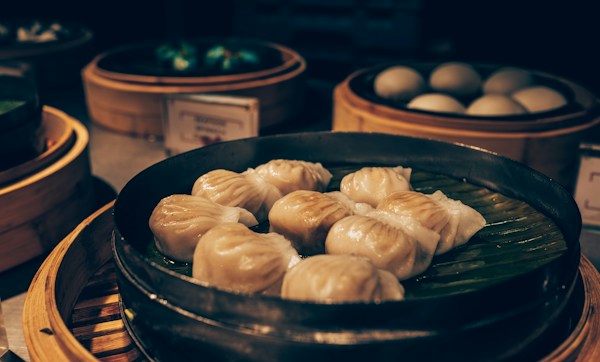
No dumpling tour of the SGV is complete without soup dumplings, those delicate pouches of pork and hot, savory broth. When made properly, the skin is thin enough to be nearly translucent yet strong enough to hold the soup without breaking. The filling combines ground pork with aspic that melts during steaming, creating the signature liquid center. Eating them requires technique: place on your spoon, nibble a hole, sip the soup, then consume the rest.
The SGV soup dumpling scene is fiercely competitive, with multiple shops claiming supremacy. The best versions feature soup that’s rich and gelatinous, skins that stretch without tearing, and fillings seasoned with ginger and green onion. Some places also offer variations: crab and pork, shrimp, or truffle. But master the classic before you venture into exotica; a perfect pork soup dumpling is its own kind of miracle.

Dim Sum Classics
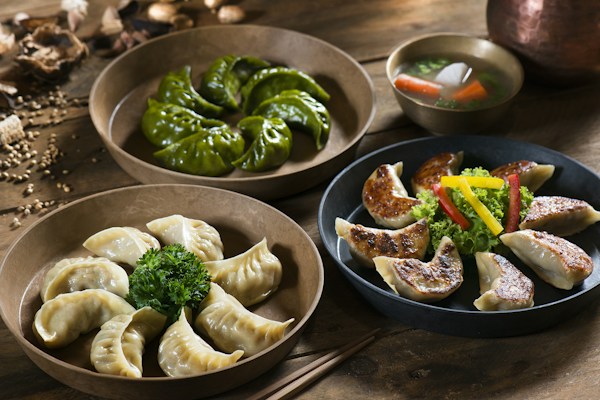
The Cantonese tradition of dim sum encompasses dozens of dumpling varieties, from the familiar to the exotic. Har gow, the shrimp dumpling with its pleated translucent wrapper, is the benchmark of any dim sum restaurant; the shrimp should snap when bitten, the wrapper should be thin but not sticky. Siu mai, open-topped pork and shrimp dumplings topped with fish roe, are another essential. And then there are the rice rolls, the sticky rice in lotus leaf, the countless other small plates that make dim sum an adventure.
The SGV dim sum experience ranges from pushcart-service palaces where you grab items from rolling carts to more modern menu-order establishments. Traditionalists insist the pushcart experience is essential, and there’s something exciting about flagging down carts and discovering what’s aboard. But menu-order places often have fresher items cooked to order. Either way, arrive early—by 11 AM on weekends, the best places have hour-long waits.
Northern Specialties: Boiled and Pan-Fried
Northern Chinese dumplings differ significantly from their southern cousins. The wrappers are thicker and chewier, made from wheat flour rather than rice or tapioca. The fillings often include lamb, cabbage, and bold aromatics like cumin and chili. The cooking methods favor boiling and pan-frying over steaming. These are rustic dumplings meant for cold winters, hearty and warming.
The potsticker, or guo tie, represents northern dumpling craft at its finest. The dumpling is pan-fried on one side until a golden crust forms, then steamed to cook the filling through. The result combines textures: crispy bottom, tender top, juicy interior. The best SGV potsticker specialists make their wrappers fresh and fill them generously. Dipped in black vinegar with julienned ginger, they’re addictive.
Beyond the Basics: Regional Rarities
Once you’ve mastered the classics, the SGV rewards deeper exploration with regional specialties that are hard to find elsewhere. Shanxi knife-cut noodles are technically not dumplings, but the knife-shaved wheat dough deserves mention. Sichuan zhong dumplings in spicy, sweet sauce offer different flavor profiles. Northeastern jian bing guozi aren’t dumplings at all but demonstrate the region’s breadth.
Seek out establishments specializing in specific regional cuisines rather than trying to be everything to everyone. A restaurant focused solely on Xi’an cuisine will make better lamb dumplings than a generalist. A shop that only does Cantonese rice rolls will execute them more precisely than a dim sum palace with a hundred items. Specialization usually equals quality in the SGV.
Planning Your Dumpling Tour
A proper SGV dumpling tour requires pacing. Don’t try to eat too much at any single stop; save room for the next destination. Bring adventurous friends who are willing to share and try new things. Learn a few key Chinese food terms—even pointing and gesturing works, but effort is appreciated. And bring cash; some of the best spots don’t take cards.
Traffic in the SGV can be challenging, especially on weekends when everyone is out eating. Plan your route to minimize driving between stops. Consider ordering one or two items at each location rather than full meals. And don’t be afraid to ask for recommendations—other diners are often happy to share their favorites with obvious food enthusiasts.
The San Gabriel Valley represents an extraordinary dumpling resource, a concentration of regional Chinese expertise that has no equal in the Western Hemisphere. Whether you’re a dumpling novice or a seasoned enthusiast, the SGV has something to teach you. Come hungry, come curious, and come prepared to have your understanding of dumplings permanently expanded.
Sample content.