
Food News
Classic Diners of the San Fernando Valley
In an age of avocado toast and artisanal everything, the San Fernando Valley's classic diners stand as monuments to simpler times. These are places where coffee still comes in bottomless cups, where burgers are unapologetically indulgent, and where the waitress has been working the same shift for thirty years. Having grown up in the Valley…

DigiSavvy
Description goes here

In an age of avocado toast and artisanal everything, the San Fernando Valley’s classic diners stand as monuments to simpler times. These are places where coffee still comes in bottomless cups, where burgers are unapologetically indulgent, and where the waitress has been working the same shift for thirty years. Having grown up in the Valley and returned countless times for nostalgia and genuine good food, I’m thrilled to share my guide to these irreplaceable institutions.
The Valley’s Diner Heritage
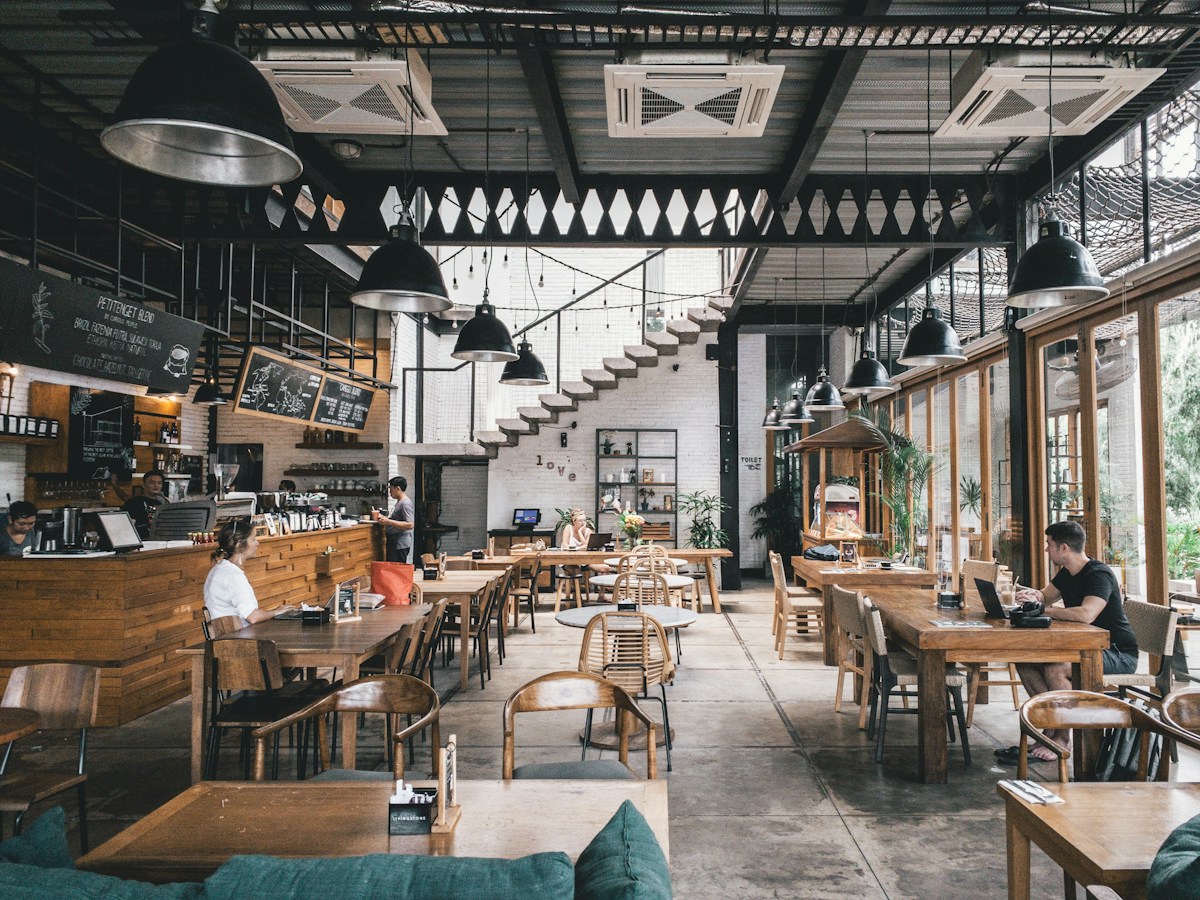
The San Fernando Valley’s diner culture emerged from the same postwar boom that created the suburbs themselves. As families moved to new developments in Sherman Oaks, Van Nuys, and Burbank, diners followed, providing affordable gathering places for communities still finding their footing. Many of the establishments that opened in the 1950s and 1960s are still operating today, family-owned institutions that have weathered decades of change.
What sets Valley diners apart from their counterparts elsewhere is their stubborn resistance to trends. While restaurants across LA have chased fads from fusion cuisine to farm-to-table, these spots have kept serving the same dishes the same way for generations. The result is food that tastes like memory, transporting you to a time before everything had to be innovative or Instagrammable.
The Art of the Diner Breakfast
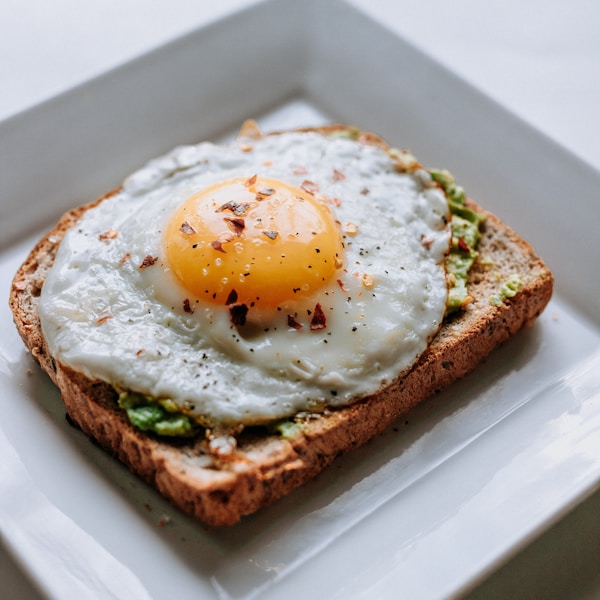
Breakfast at a Valley diner is a sacred ritual. The menu spans pages with variations on eggs, pancakes, and omelets that seem almost comically extensive until you realize that regulars have been ordering the same thing for decades. This is food designed for satisfaction, not nutrition labels: crispy hash browns cooked in butter, thick-cut bacon, eggs fried in leftover bacon grease.
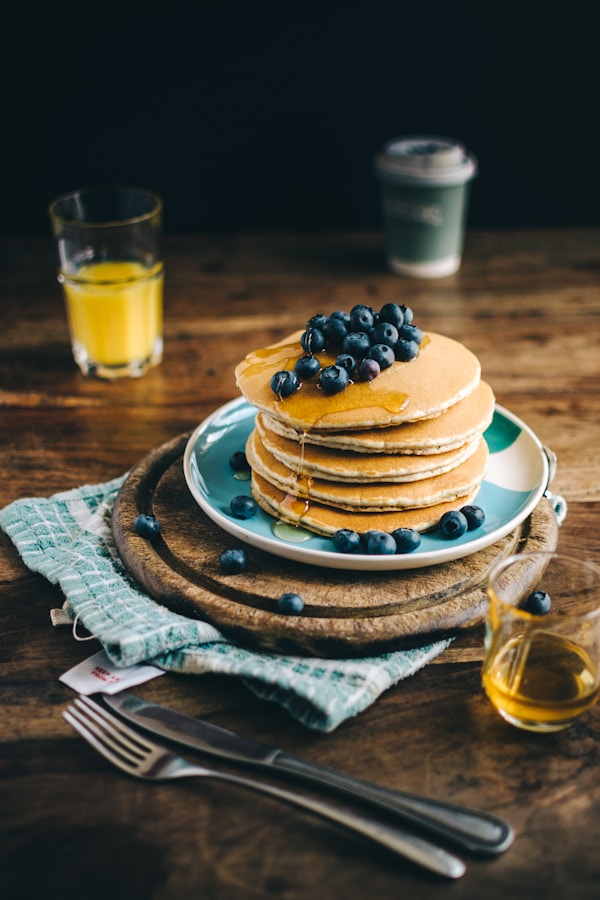
The true test of any diner is its pancakes, and Valley spots take this seriously. They’re fluffy without being airy, substantial without being leaden, and arrive in stacks tall enough to intimidate. The best versions use recipes that haven’t changed in fifty years, and why would they? Some things don’t need improvement. Pair them with maple syrup and too much coffee and you’ve got a morning worth waking up for.
Burgers, Patty Melts, and Club Sandwiches
Lunch at a Valley diner means one thing: the sandwich menu. Diner burgers here follow the classic American template—fresh-ground beef, cooked to order on a flat-top griddle, dressed simply with lettuce, tomato, and onion. They don’t try to compete with gourmet burger joints; they don’t need to. This is the kind of burger your parents ate, and their parents before them.
The patty melt deserves special mention. This diner staple—a beef patty with caramelized onions and Swiss cheese pressed between slices of rye bread—reaches its apotheosis in the Valley. The rye is toasted until shattering-crisp, the cheese is properly melted, and the onions are cooked slowly enough to develop sweetness. Order it with a chocolate malt and you’ve achieved diner nirvana.
Pie: The Final Course
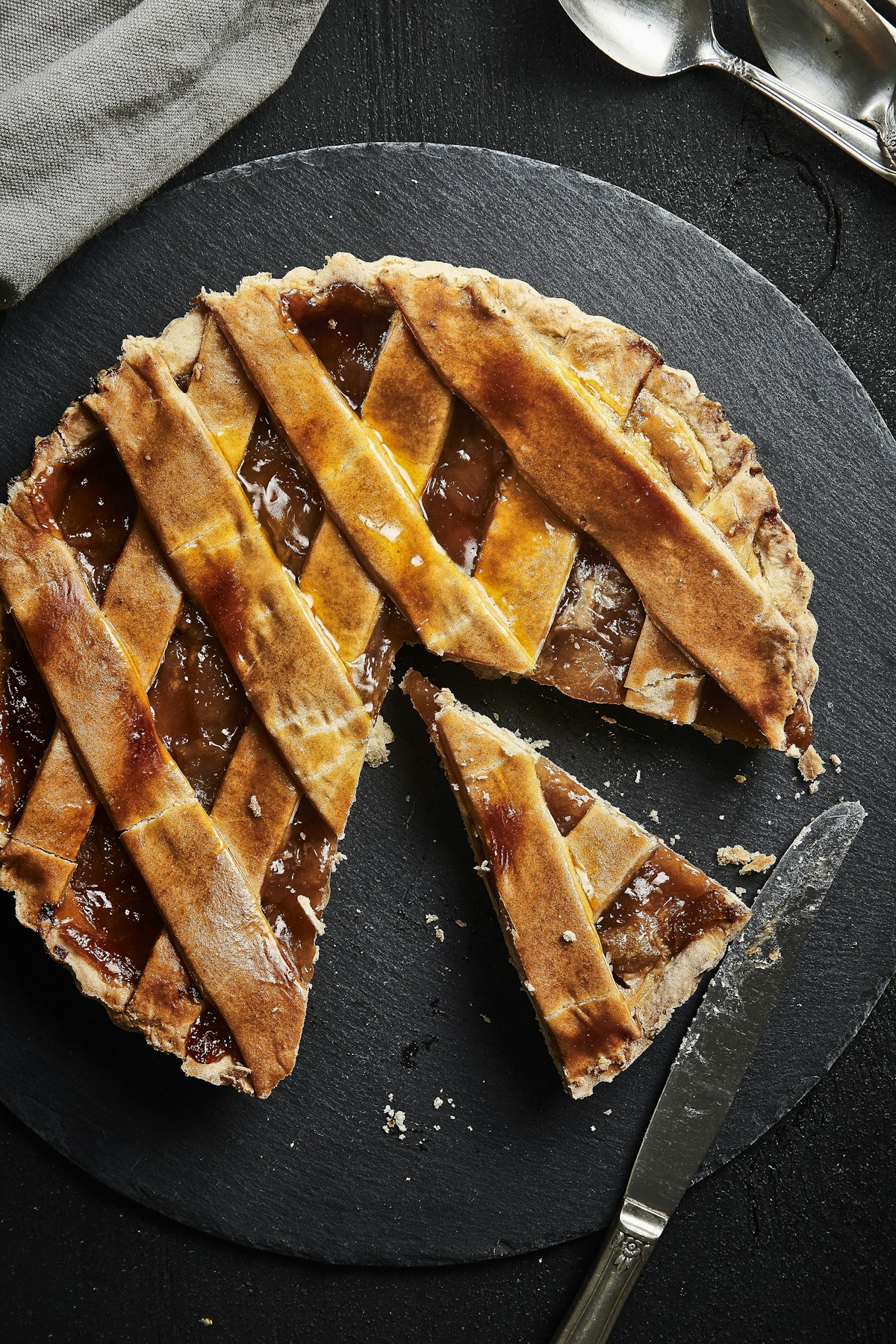
No classic diner experience is complete without pie, and Valley establishments take their pie seriously. The rotating display case near the register isn’t just decoration; it’s an invitation and a promise. Apple pie with lattice crust, coconut cream piled high with meringue, cherry pie that stains your lips red—these are desserts made on premises by people who’ve been doing it for decades.
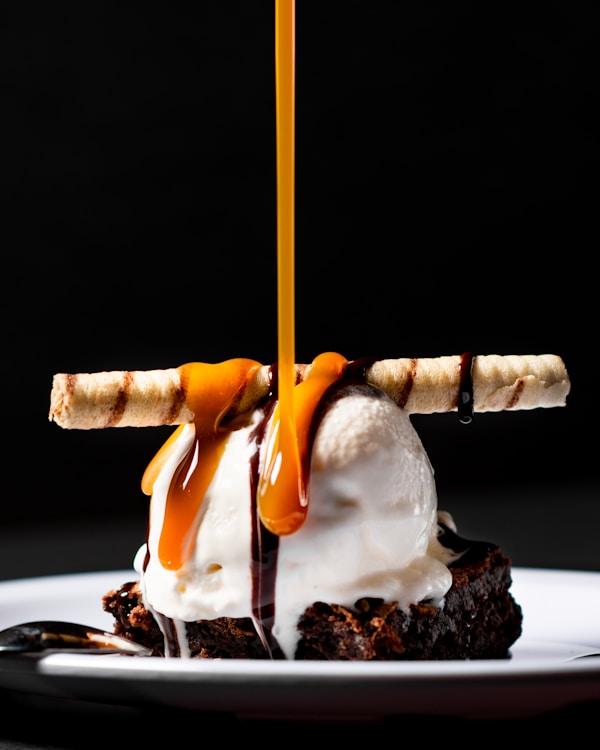
The key to diner pie is restraint. These aren’t the overwrought productions of fancy bakeries. They’re honest, straightforward desserts that let the ingredients speak: fresh fruit, good butter, real vanilla. The crust should be flaky and slightly salty, the filling should balance sweet and tart. Order it à la mode because this is a diner and you’ve earned it.
The People Who Make It Special
What truly distinguishes Valley diners isn’t just the food—it’s the people. These establishments are often family operations spanning multiple generations, where the owner’s grandchildren now work the same counter their grandfather built. The staff know regulars by name and order, remember birthdays and anniversaries, and treat newcomers with genuine warmth.
The clientele is equally special. On any given morning you might find construction workers at the counter, retirees in a booth with newspapers, families celebrating report cards, and everyone in between. These diners serve as community gathering places in a way that more transactional restaurants never can. Something about vinyl booths and Formica counters encourages connection.
Finding the Last Survivors
Sadly, classic diners are disappearing from the Valley as rising rents and changing tastes take their toll. The spots that remain are treasures worth seeking out, even if it means driving a bit out of your way. Look for places that haven’t remodeled since the Reagan administration, where the menu is laminated and spotted with age, where the coffee is ordinary but infinite.
The best diners cluster along the Valley’s main arteries: Ventura Boulevard, Victory Boulevard, Sherman Way. They’re often in strip malls or standalone buildings that time forgot, their neon signs flickering in that particular Valley way. Go on a weekday morning when the light is soft and the rush hasn’t started. Order too much food. Leave a big tip. And appreciate what you have while you have it.
The classic diners of the San Fernando Valley represent something precious: an unbroken link to mid-century American food culture. They serve as living reminders that not everything needs to be reinvented, that sometimes the old ways are the best ways. In a city obsessed with the new, these institutions offer the comfort of the familiar. May they survive another fifty years.
Sample content.